Blog
Let’s Talk About Asthma
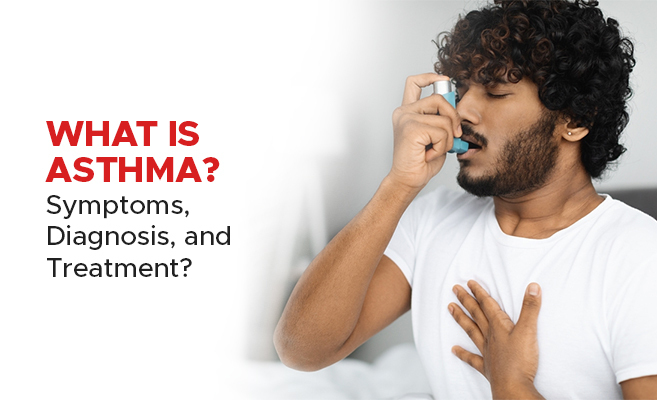
Asthma is a lung disease that is caused by chronic inflammation of the airways. It is one of the most common long-term diseases among children, but adults can have asthma, too. Asthma attacks occur when the lung airways tighten due to inflammation. Asthma attacks can be caused by “triggers” such as respiratory infections, allergy particles, chemical irritants, and air pollution. During an asthma attack, a person with asthma can experience symptoms such as wheezing, breathlessness, chest tightness, and nighttime or early morning coughing. Often, asthma attacks can be prevented by limiting one’s exposure to triggers and by properly using asthma medications.
Flu and people with asthma
People with asthma can develop swollen and sensitive airways, and flu can cause further inflammation of the airways and lungs. Flu can trigger asthma attacks and cause worsening of asthma symptoms. Flu also can lead to pneumonia and other acute respiratory diseases. In fact, adults and children with asthma are more likely to develop pneumonia after getting sick with flu than people who do not have asthma. Asthma is the most common medical condition among children hospitalized with flu and one of the more common medical conditions among adults hospitalized with flu.
Prevention
A flu shot is the best protection against flu
Flu vaccination is especially important for people with asthma because they are at higher risk of developing serious flu complications.
Flu vaccines for people with asthma
Most injectable influenza vaccines (or flu shots) are approved for use in people 6 months and older, regardless of whether or not they have asthma or other health conditions. Flu shots have a long-established safety record in people with asthma.
- People with asthma should generally not receive the nasal spray flu vaccine (i.e., the live attenuated influenza vaccine or LAIV).
- People with asthma who are aged 5 years and older, talk to your health care provider before getting the nasal spray vaccine.
- Children 2 to 4 years old who have asthma or who have had a history of wheezing in the past 12 months should not get the nasal spray vaccine.
Introduction
About 85% of people will get an HPV infection in their lifetime. Vaccinating all 11–12-year-olds can protect them long before they are ever exposed.
How it spreads
Human papillomavirus (HPV) is the most common sexually transmitted infection in the United States. Although the majority of HPV infections are asymptomatic and resolve spontaneously, persistent infections can develop into anogenital warts, precancers, and cervical, anogenital, or oropharyngeal cancers in women and men.
HPV infection and cancer
Every year in the United States, 36,500 people (including women and men) are estimated to be diagnosed with a cancer caused by HPV infection. Although cervical cancer is the most well-known of the cancers caused by HPV, there are other types of cancer caused by HPV.
HPV vaccination could prevent more than 90% of cancers caused by HPV from ever developing. This is an estimated 33,700 cases in the United States every year.
Cervical cancer and pre-cancers
Cervical cancer is the only type of cancer caused by HPV with a recommended screening test for detection at an early stage. The other cancers may not be detected until they cause health problems.
Even with screening, HPV causes 11,000 cases of cervical cancer each year in the United States. Every year, 4,000 women die of cervical cancer.
There are an estimated 196,000 cervical precancer cases each year in the United States. Treatment for cervical cancers and precancers may sometimes limit a person’s ability to have children.
Prevention
CDC recommends two doses of HPV vaccine for all adolescents at age 11 or 12 years.
More than 15 years of monitoring and research have accumulated reassuring evidence that human papillomavirus (HPV) vaccination provides safe, effective, and long-lasting protection against cancers caused by HPV infections.
Clinical Overview of HPV | HPV | CDC
Seasonal Flu Vaccine Basics
Benefits of flu vaccination

Flu vaccination can keep you from getting sick with flu.
- Flu vaccine prevents millions of illnesses and flu-related doctor’s visits each year. For example, during 2019-2020, the last flu season prior to the COVID-19 pandemic, flu vaccination prevented an estimated 7 million influenza illnesses, 3 million influenza-associated medical visits, 100,000 influenza-associated hospitalizations, and 7,000 influenza-associated deaths in the United States.
- During seasons when flu vaccine viruses are similar to circulating flu viruses, flu vaccine has been shown to reduce the risk of having to go to the doctor with flu by 40% to 60%
- Vaccines and people with egg allergies
- People with egg allergy may receive any vaccine (egg-based or non-egg-based) that is otherwise appropriate for their age and health status.
- Who should get vaccinated
- Everyone 6 months and older should get a flu vaccine every season with rare exceptions. Vaccination is particularly important for people who are at higher risk of serious complications from influenza.
- Getting a flu vaccine and other recommended vaccines at the same time
- Coadministration of vaccines refers to giving or getting more than one vaccine during a visit. This is common clinical practice. While there are some exceptions, most vaccines can be given at the same visit. CDC